How to Build a Clash-Free School Timetable (and Cover Absent Teachers Without Chaos)
A practical method for school timetables in India: bell timings, teacher loads, clash checks before publishing, and a calm routine for substitutions.
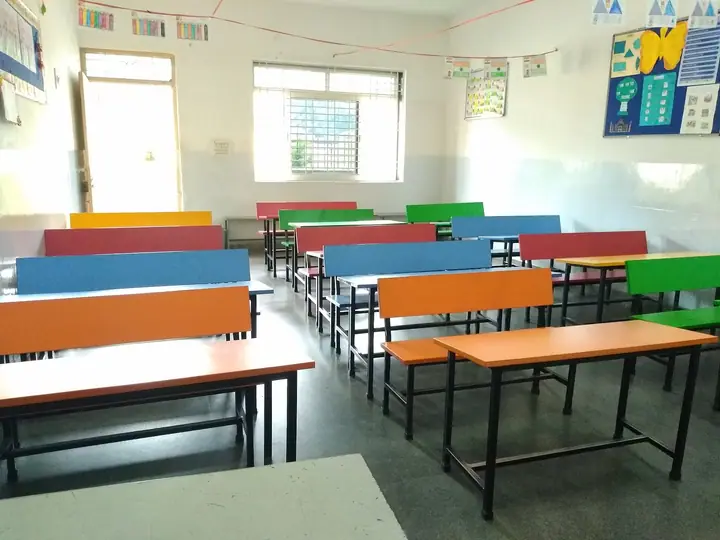
Photo: Vidyashreehighschool · CC BY-SA 4.0
Every April, someone in the school — usually a senior teacher with a full teaching load of their own — spends two weeks with a chart paper, a pencil and an eraser, building the timetable. By the second week of term it has been changed four times, and by the first sick day nobody is sure who is covering 7B in period five.
A timetable does not have to be that fragile. Most of the pain comes from doing three things in the wrong order: placing periods before fixing the constraints, publishing before checking clashes, and handling substitutions from memory. Here is a calmer way to do it.
1. Fix the bell timings first
Before a single subject is placed, agree the shape of the day: how many periods, how long each one is, where the breaks and assembly fall, and whether Saturday or the primary wing runs a shorter day. Many schools need two or three bell schedules — a regular day, a half day, and an exam-week day.
Write these down as named schedules. Every later decision depends on them, and changing them halfway through is the single biggest source of rework.
2. Collect the teaching load, not just the subject list
For each class, list every subject and how many periods a week it needs. For each teacher, list what they teach, to which sections, and their maximum periods per day and per week. Mark the hard constraints early:
- Part-time teachers who are only in on certain days
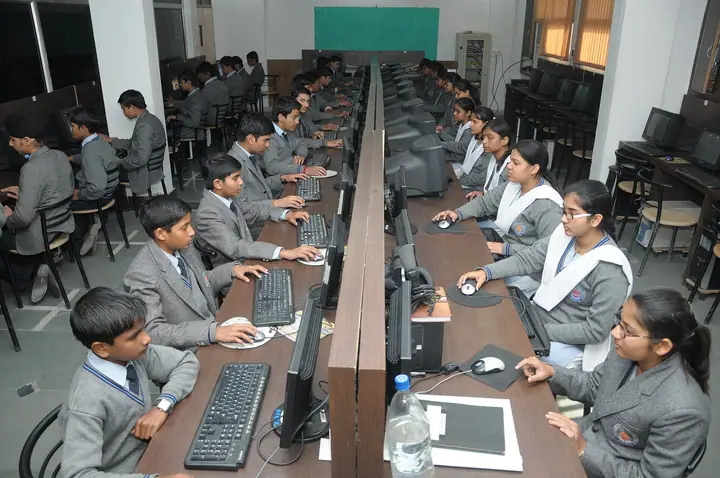
- Labs, music rooms and the computer lab, which can only hold one class at a time
- Double periods for practicals
- Teachers shared between the senior and junior wings
Most clashes are not mistakes in placing a period. They are constraints nobody wrote down.
3. Place the hardest periods first
Start with what has the least flexibility: lab and practical periods, shared teachers, and part-timers. Then place the subjects with the most periods a week. The easy, flexible periods — library, games, value education — go last, into whatever gaps remain.
4. Check for clashes before you publish, not after
A clash is any period where the same teacher, room or class is in two places at once. On paper these are almost impossible to spot across forty sections. A timetable tool should flag them as you build, and refuse to publish until they are resolved. It should also show each teacher's daily load, so nobody ends up with seven periods on Monday and two on Friday.
5. Publish once, to everyone who needs it
The timetable should reach teachers, students and parents from one source. When each teacher sees only their own week — with the class, subject and room for each period — the printed copies stuck in the staffroom stop mattering, and so do the outdated ones.
6. Make substitutions a routine, not a scramble
Teachers will be absent. What matters is how quickly the gap is covered and whether the class learns anything in that period.
A good substitution routine:
- Leave is applied and approved before the day starts, wherever possible.
- The coordinator sees every uncovered period for the day in one list.
- Suggested cover comes from teachers who are free in that period and not already overloaded.
- The substitute gets a brief: whose class it is, what was planned for the lesson, what was covered last time, and any homework due.
- Cover is recorded, so that over a term the load is shared fairly.
Point 4 is the one most schools skip. A substitute who walks in knowing where the class is in the syllabus can teach; one who does not supervises.
How SchoolKonnect helps
SchoolKonnect's timetable builder works in this order: bell timings and periods first, then teachers and rooms, with clashes flagged before you publish. Each teacher then sees their own timetable on their phone. When someone is away, the substitute receives a cover brief with the planned lesson, the syllabus topic in progress, the last diary entry and homework due.
If your timetable still lives on chart paper, book a demo and we will set one up with your own classes.