School Transport Safety: A Practical Checklist for Administrators
A checklist for Indian school transport managers: vehicles, drivers and attendants, routes, rider lists, capacity and what to tell parents.
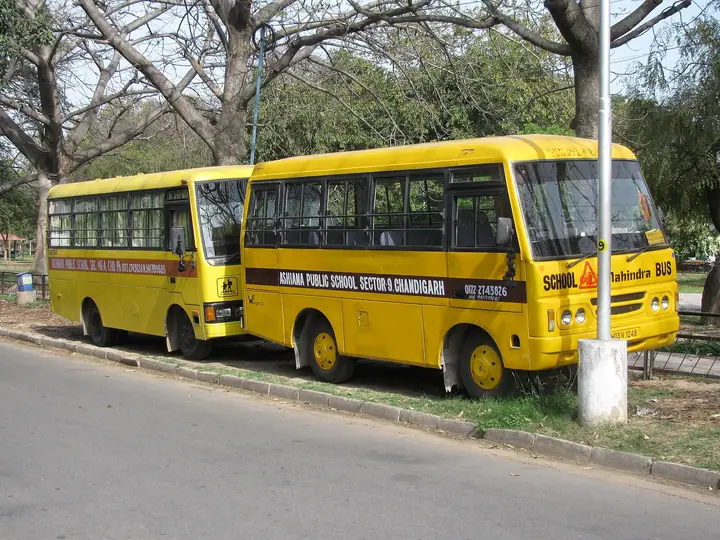
Photo: Zenit · CC BY-SA 3.0
For many parents, the school bus is the part of the school day they worry about most. They hand their child to a driver they may never have met, on a road they do not control. A transport office that can answer “which bus is my child on, and who is driving it?” in seconds earns a great deal of trust.
This checklist brings together the practices most Indian schools follow. Your state transport department and your board may set specific rules — always check the current requirements that apply to your school.
Vehicles
- Fitness and permits are current. Keep registration, fitness certificate, permit, insurance and pollution certificate dates in one place, with reminders before they expire.
- School vehicles are clearly identifiable. Most states require school buses to be painted yellow and marked as school vehicles, with the school’s name and a contact number.
- Seating capacity is never exceeded. This is the most common and most dangerous breach — usually because routes grew during the year and nobody re-counted.
- Safety equipment is checked monthly. First-aid box, fire extinguisher, emergency exits that open, and working windows with grills.
- Speed limits are enforced. Many states require speed governors on school buses.
Drivers, conductors and attendants
- Verified drivers with valid licences and several years of experience driving heavy vehicles.
- Police verification for every driver, conductor and attendant.
- A conductor or attendant on every trip, and a female attendant on buses carrying girls.
- Regular crew per vehicle. Children and parents should recognise the people on their bus. Record every substitution.
- No trip without a driver on record. It sounds obvious, but last-minute replacements are where records slip.
Routes and riders
- Every route has ordered stops with pick-up times. Parents should know the expected time at their stop.
- Every student is assigned to a trip and a stop. The office should know at any moment who is meant to be on which bus.
- Riders are re-counted whenever routes change. Compare riders against seats on every trip, every month.
- The class teacher knows who uses transport. Useful on the day a bus breaks down.
- Early leave and route changes update the rider list. A child collected early must not be waited for at the bus.
SchoolKonnect’s transport module keeps routes, stops, vehicles, crew and riders together, and flags trips carrying more students than seats or running without a driver.
Communication with parents
- Share the route, stop, pick-up time and the transport in-charge’s number at the start of the year.
- Tell parents immediately when a bus is significantly delayed or replaced.
- Give parents one place to request a stop change, and confirm it in writing.
- Make sure the front office knows when a parent has collected a child early, so the bus does not wait.
A monthly transport review
Once a month, the transport in-charge should review:
- Trips over capacity.
- Trips with no regular driver or attendant.
- Documents expiring in the next 60 days.
- Incidents and complaints, and what was done about each.
- Transport fee defaulters by route.
Ten minutes with the right report prevents most of the problems parents worry about. If your transport records live in a register and three spreadsheets, let us show you a simpler way.