The Principal's Monday Review: 10 Numbers Worth Checking Every Week
A 15-minute Monday review for principals: attendance, fees, exams, staff and parent communication numbers that show where the school needs attention this week.

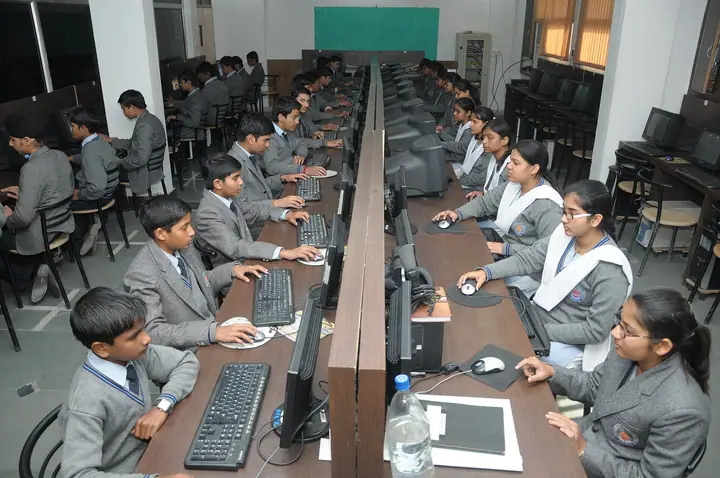
Photo: Fredericknoronha · CC BY-SA 4.0
Most principals know when something is wrong at school. They usually find out late: when a parent complains, when the fee collection is short at the end of the month, or when a report card shows a class falling behind.
A short weekly review catches most of these early. It does not need a data team, just the same ten numbers every Monday, compared with the week before.
Attendance
1. Student attendance by class. Not the school average, which hides problems, but the three classes with the lowest attendance last week. A drop in one section usually has a cause: a festival, an illness going round, or a teacher change.
2. Students absent three or more days in a row. These are the children to call about this week. Long, unexplained absences are often the first sign of a family problem, a health issue, or a student who is about to leave.
3. Staff attendance and leave. How many periods needed cover last week, and in which departments? A pattern of cover in one subject is worth a conversation before it becomes a gap in the syllabus.
Fees
4. Collection against what was due. The amount collected this month as a share of what fell due, compared with the same point last month.
5. Families overdue by more than 30 days. Not the whole defaulters list, just the families who have moved from "late" to "overdue" since last week. These are the ones a polite call can still help.
6. Concessions given. Any new concessions or waivers approved last week, by whom, and for what reason. This keeps concessions consistent and avoids surprises at audit time.
Academics
7. Marks pending. For any exam in progress, which papers still have marks to be entered and which teachers they belong to. Report cards are only late when this number is ignored.
8. Homework posted by class. Which classes had no homework or diary entries last week? It is a quick check that the routine is holding, not a measure of teaching quality.
Parents and the front office
9. Notices read. For the important notices last week, what share of parents opened them? A low number is a sign that the channel isn't working, not that parents don't care.
10. Enquiries and follow-ups. During admission season, the number of new enquiries and how many are overdue for a follow-up call.
How to run the review
- Same day, same time, 15 minutes. Monday morning, before the first meeting.
- Compare with last week, not with an ideal. Trends matter more than single figures.
- Pick one or two actions, with a named person for each. A review that ends with ten actions ends with none.
- Share a short version with coordinators, so each of them can see their own numbers.
Getting the numbers without a spreadsheet
The hard part is usually collecting the numbers, not reading them. If attendance, fees, exams and notices sit in different registers, the review takes a morning instead of fifteen minutes.
In SchoolKonnect, these figures come from the same records the school uses every day. A principal can ask SIA, the AI assistant, questions such as "Which classes have the lowest attendance this week?" or "List fee defaulters above ₹20,000", and each answer links to the screen where they can act. The school MIS report brings the main figures together and can be scheduled by email for owners and trustees.
Book a demo to see your own Monday review.